Sewage is not a waste bin: how daily habits affect the biological treatment plant
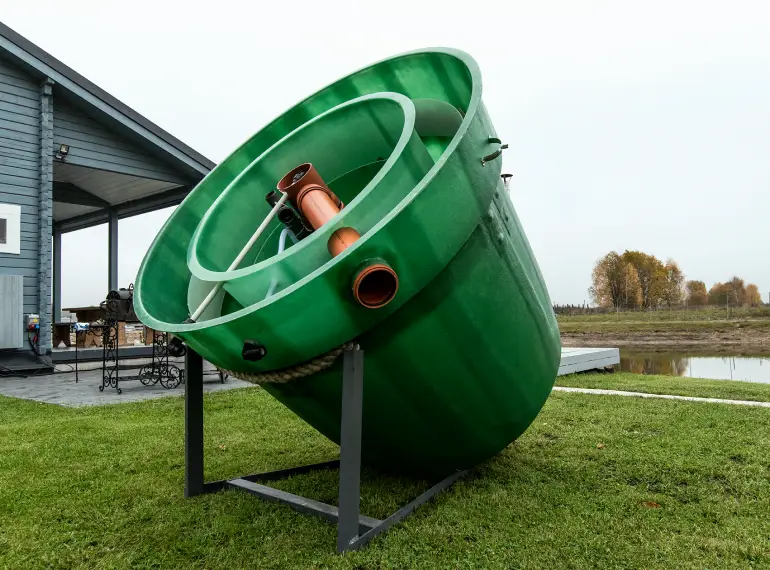
A biological wastewater treatment plant is an autonomous, living ecosystem. Its action is based on bacteria and activated sludge, which break down organic waste and purify water. However, careless actions or ignorance can stop this process instantly, causing the system to clog, unpleasant odors and expensive repairs.
The real life and efficiency of the equipment directly depends on what goes into the sewer pipes, as well as on compliance with the manufacturer's operating rules.
What should not be down the drain categorically?
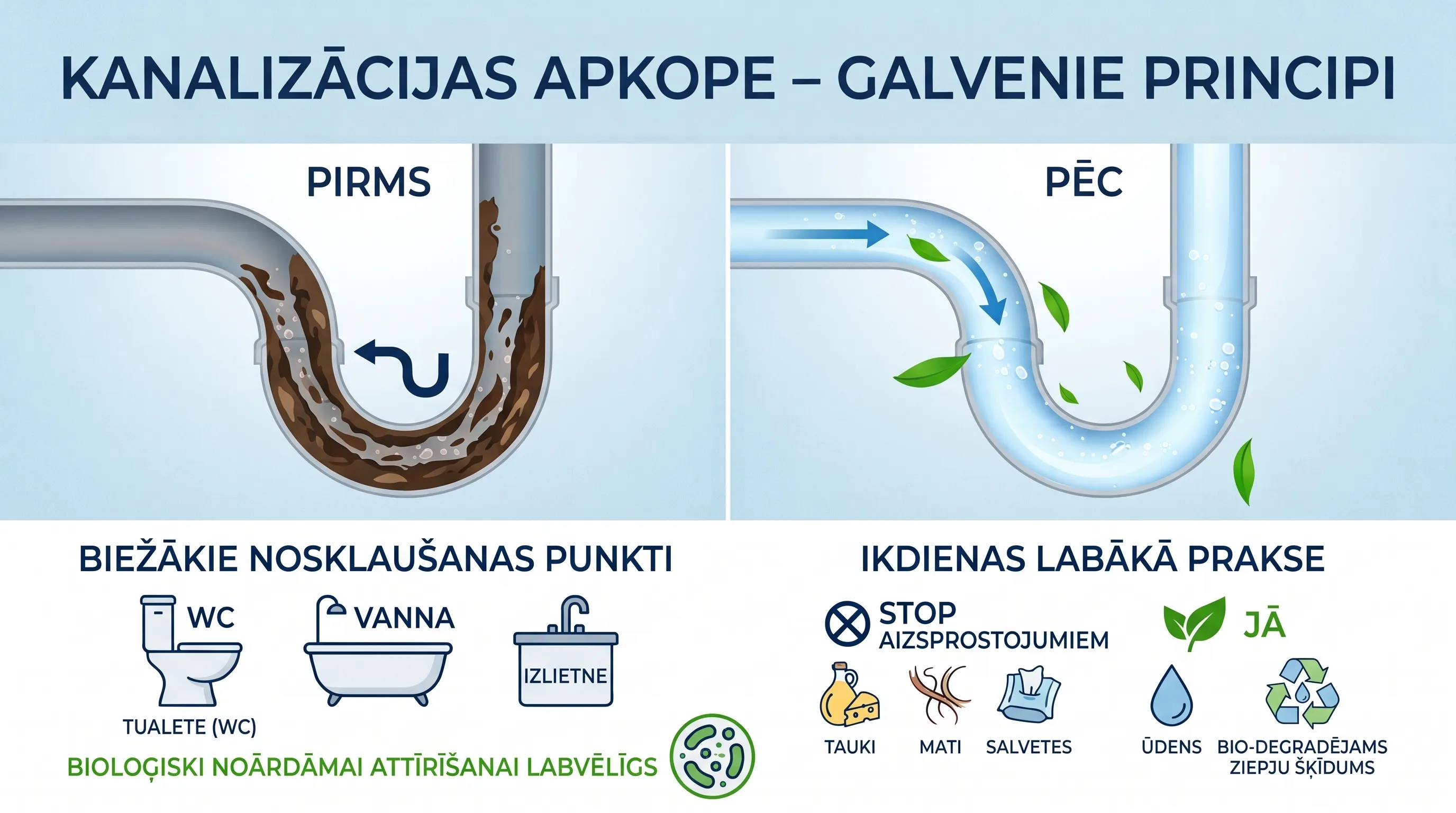
To protect both residential pipelines from blockages and bacteria from the decay, the following must not enter the toilet bowl and sinks:
- Aggressive chemistry and dangerous substances: Solvents, paints, varnishes, petroleum products, strong acids and chlorine-containing bleaches destroy activated sludge within a few hours.
- Medicines (especially antibiotics): Medicines kill useful microorganisms in the treatment tank. Medicines should always be disposed of in pharmacies.
- Hygiene accessories and dense paper: Wet wipes, diapers, cotton buds, cotton wool, packages, tampons, plasters and even ordinary kitchen paper towels do not dissolve in water. They wrap around pumps and create dense plugs in pipelines.
- Household and non-dissolving items: Cigarette butts, construction debris, textiles and cat litter. Special attention should be paid to children who like to experiment by rinsing toys or other small things in the pot.
- Fat and food waste:
- Frying oil and fat: Solidifies on the walls of pipes and tanks, attracts other waste and creates an oxygen-impermeable layer.
- Solid food waste: Coffee grounds, egg shells, flour, rice, pasta, fruit cores and vegetable peels swell in water, create a layer of mechanical deposits and clog the system.
Safe household chemistry: how to choose suitable products?
Life with a biological device does not require giving up cleanliness, but making thoughtful purchases:
| Type of product | Dangerous to the equipment | Safe alternative |
|---|---|---|
| Plumbing cleaning | Chlorine compounds, hydrochloric acid, aggressive disinfection gels | Citric acid, vinegar or lactic acid bases cleaners |
| Laundry | Optical brighteners, phosphates, aggressive powders | Liquid washing gels without phosphates, oxygen bleaches |
| Dishwashing | Phosphates, strong antibacterial concentrates | Eco label gels, herbal concentrates |
Look for labels on store shelves: "Septic Safe", "Biodegradable" or the EU Ecolabel (EU Ecolabel).
Correct installation and warranty conditions
Quality equipment is covered by a manufacturer's warranty, but its validity requires precise terms compliance:
- Assembly by yourself: If you do the assembly yourself, strictly follow the manufacturer's manual (correct base depth, leveling, slopes and filling). Erroneously performed assembly work can deform the housing or damage the assemblies, as a result of which the manufacturer will not be able to provide warranty repairs.
- Importance of the manual: Before putting the equipment into operation, you must familiarize yourself with the technical documentation of the equipment.
How to take care of the equipment: monitoring and maintenance
Although biological treatment equipment works automatically, periodic monitoring protects against accidents. situations:
- Monthly 5-minute check: Visually inspect the tank - make sure that there is no atypically thick layer of sludge or foam on the surface of the water, that the compressor is running smoothly and there is even aeration (bubbling).
- Signals for immediate action: If the compressor does not work, there is a strong unpleasant smell or excessive foam and sludge, immediately contact a specialist or equipment manufacturer.
- Annual service: Once a year, entrust in-depth maintenance to a professional who will check the units of the equipment, vacuum out excess sludge and make the necessary corrections. It is recommended to record all the performed work in the maintenance log.
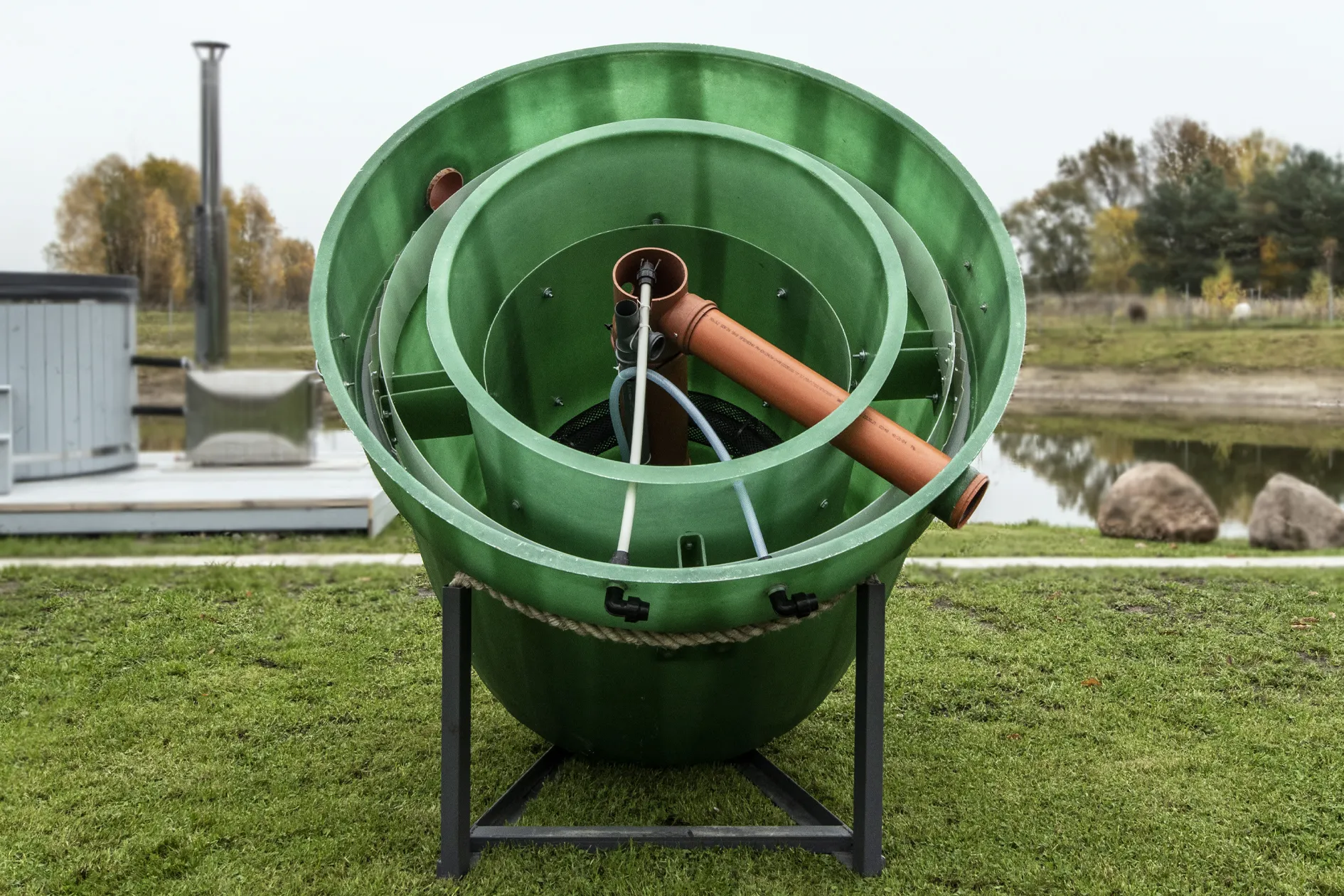
DM Group offers durable
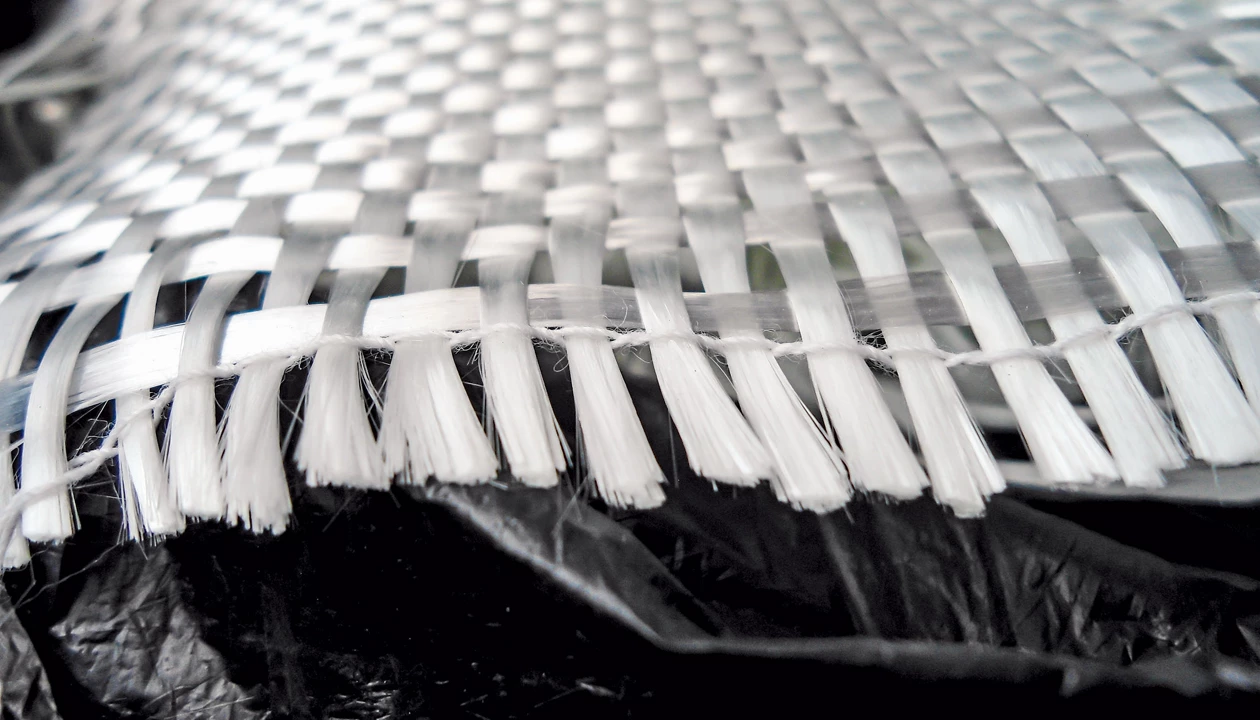
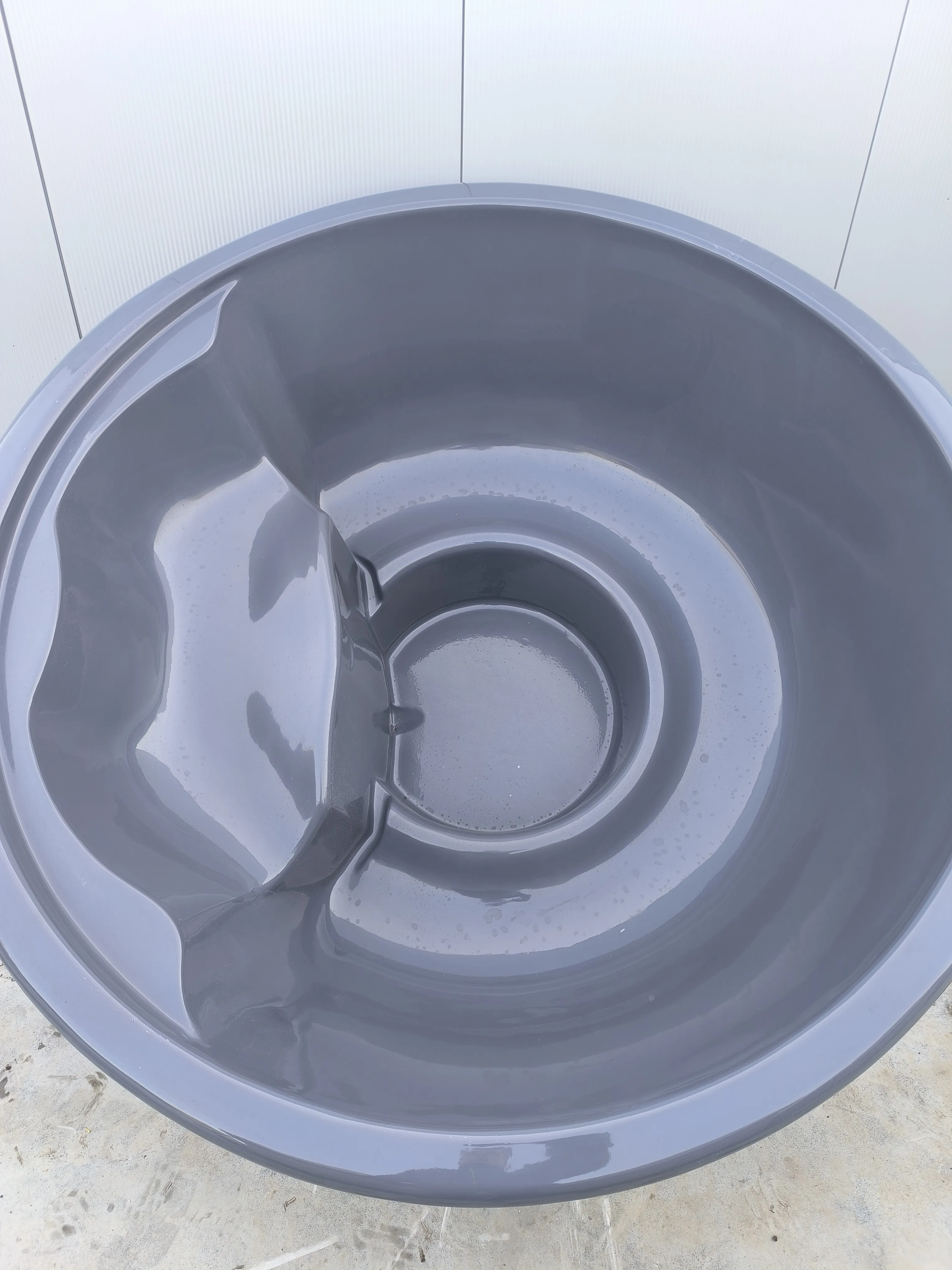
fiberglass
Glass-reinforced plastic (also known as glass-reinforced plastic or GRP) is a composite material consisting of two main components: glass fiber and a binder (usually polymer resin). Put simply, fiberglass is a material in which the fiberglass provides strength, while the plastic (resin) holds these fibers together and gives the product its shape.
Recommended Products
Related Articles